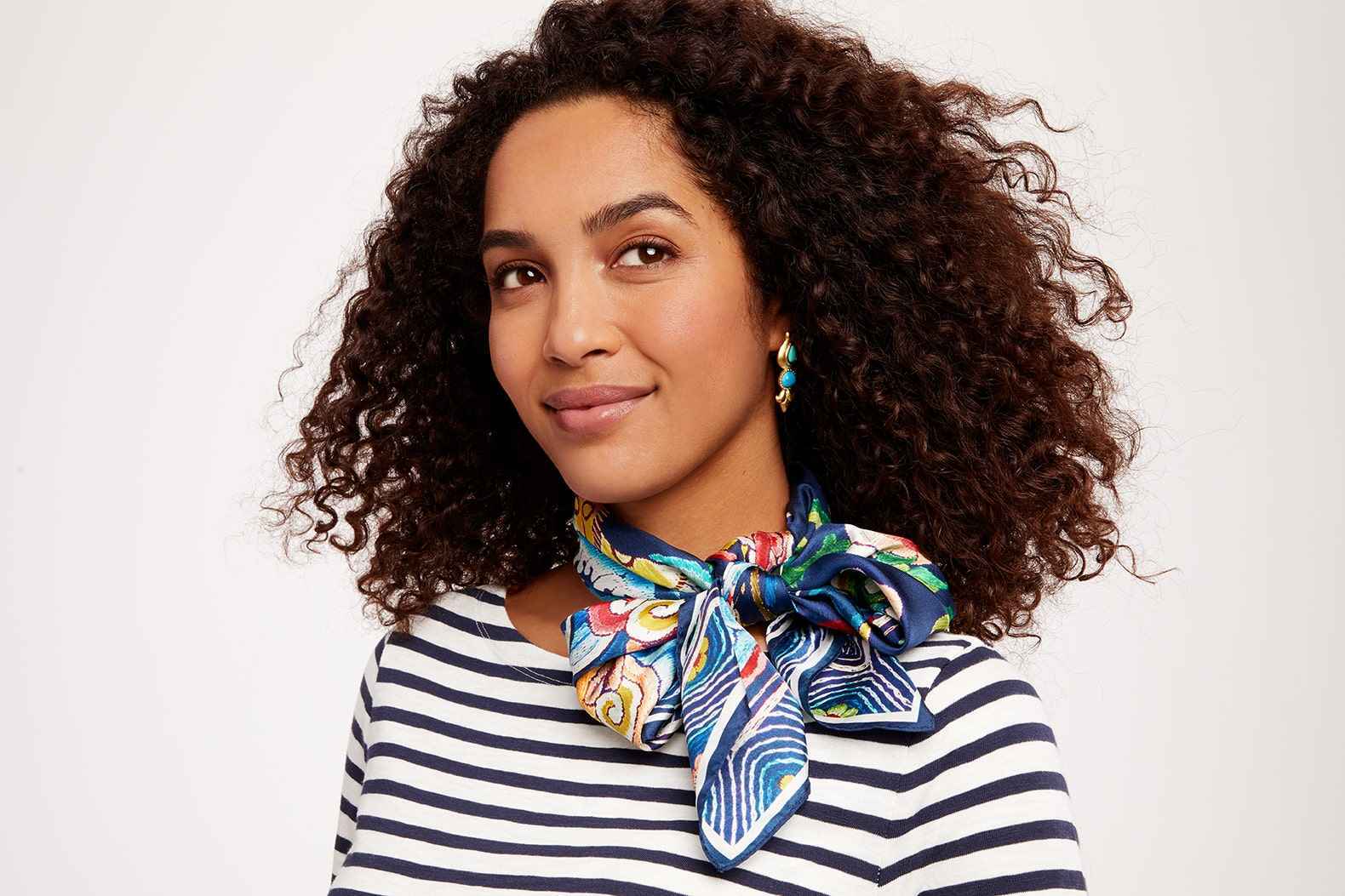
Mulberry Silk
Made popular in China thousands of years ago for its luxurious quality, mulberry silk comes from the Morus Alba tree. Famous for its buttery feel and benefits for your hair, this material is used all over the world for everything from a silk pillowcase and bed sheets to high-fashion garments.1
Mulberry silk is also known for its one-of-a-kind softness—its silk thread is smooth, strong, and uniformly colored, making it a top pick for those looking for a luxurious sleeping experience. In this article, we’ll explore this dreamy material and why it’s one of the most sought-after textiles in the world.
What is Mulberry Silk Made Of?
What is mulberry silk? Originating in China over 5,000 years ago, “sericulture” is the ancient process of spinning silk into the beautiful textile that we all know and love.
But what is mulberry silk made of? Mulberry silk is made from the cocoon of the Bombyx mori moth. Before metamorphosis, the caterpillar feeds exclusively on the white mulberry leaf—this is one of the reasons why this silk is known for its second-to-none quality.
The silk fabric is then spun from long fibers, which are strong, pure white, and collected from the moth’s cocoon. These individual strands of fiber are then woven together to create the silk fabric that’s used for soft, silk bedding.
So, Why is it So Expensive?
Smoother and stronger than any other silk in the world, mulberry silk is a textile powerhouse. Famous for its durability and lightweight quality, mulberry silk is able to retain up to a third of its weight in moisture. Because of this, it doesn’t emit a smell when damp and doesn’t need to be left out to dry for a long amount of time, making it relatively easy to manage.
Plus, this silk is gorgeous. Whether you’re sleeping on a mulberry silk pillowcase or wearing it to a gala, you’ll feel out-of-this-world glamorous. If you’re in need of some extra TLC, you can even try out a mulberry silk sleep mask to repel bacteria and keep your face feeling fresh.
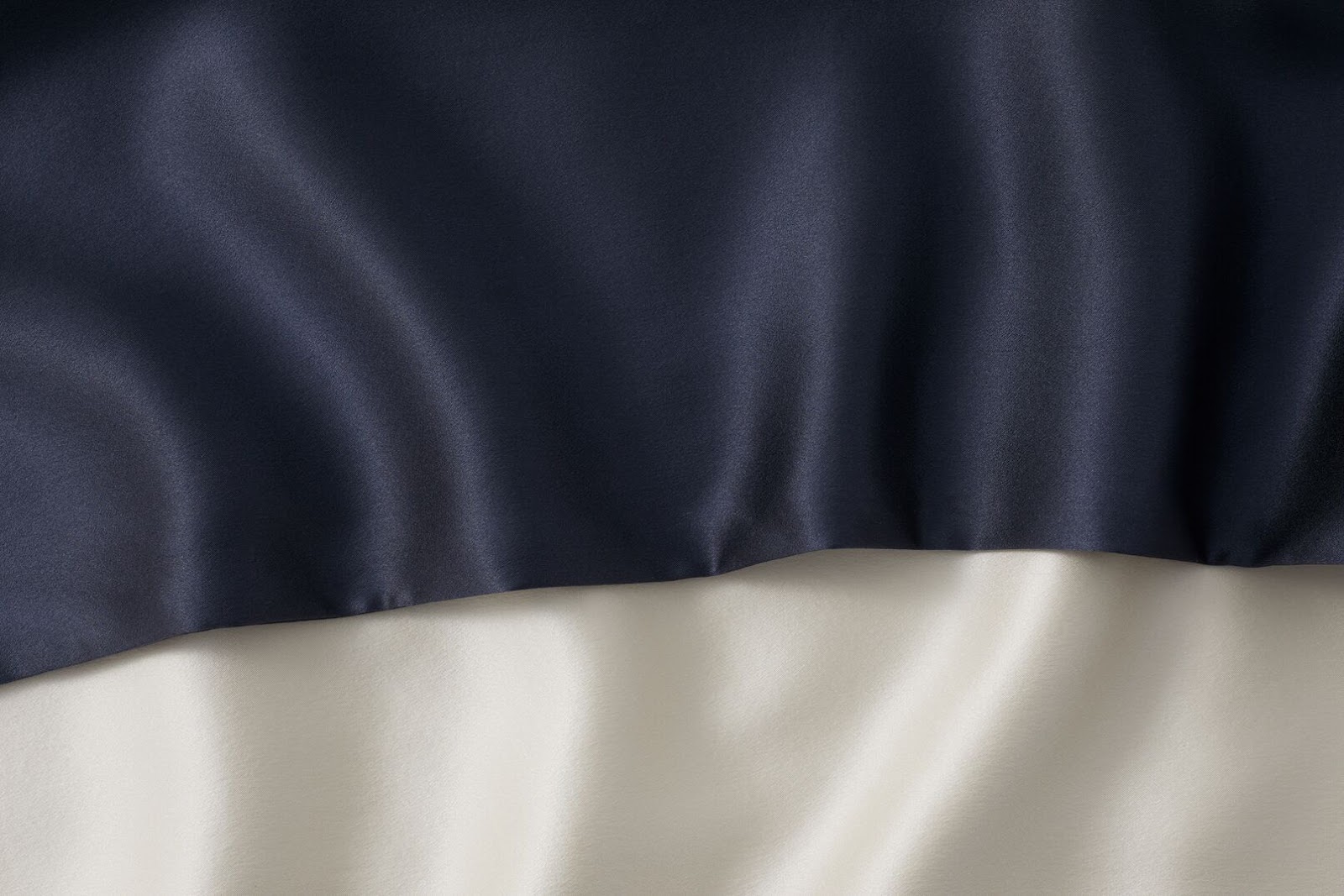
Mulberry Silk vs. Regular Silk
You might be wondering how mulberry differs from regular silk. Sometimes referred to as the “King of Silk,” there are plenty of reasons why mulberry silk stands out from the crowd.
Here are several factors that pinpoint the differences between mulberry silk and silk:
- Uniformity – Since Bombyx mori moths only feed on white mulberry leaves, the strands produced are longer and more refined. Other silk is made from shorter fibers that can create abnormalities in the material.
- Color – Mulberry silk is always pure white with no exceptions, making it a great complement to luxurious bedding that feels pristine.
- Texture – Other types of silk tend to be rougher to the touch, whereas mulberry silk is buttery soft.
- Price – Because of its premium status, mulberry silk tends to run more expensive than more generic types of silk.
- Scent – An amazing characteristic that sets mulberry silk apart from the crowd is the fact that it has no scent.
- Hypoallergenic and antibacterial – Ideal for people with allergies, mulberry silk is hypoallergenic and a fantastic choice for those with sensitive skin or noses. This silk actually contains the natural protein sericin, which reduces the risk of an allergic reaction.
Mulberry Silk vs. Other Fabrics: A Comprehensive Comparison
How does mulberry silk stack up against other popular hijab and apparel fabrics? The following comparison highlights key differences across critical factors that matter to both retailers and end consumers:
| Feature | Mulberry Silk | Cotton | Polyester | Modal | Chiffon |
|---|---|---|---|---|---|
| Softness | Exceptional (buttery) | Moderate | Low (can feel synthetic) | Very High | Moderate |
| Breathability | Excellent | Excellent | Poor | Very Good | Good |
| Moisture-Wicking | Excellent (retains 30% weight) | Good | Very Poor | Good | Moderate |
| Durability | High (long-fiber) | Moderate | Very High | Good | Low (prone to snags) |
| Hypoallergenic | Yes (natural sericin) | Yes | No | Yes | No |
| Luster & Sheen | Natural, elegant sheen | Matte | Artificial shine | Subtle sheen | High sheen |
| Price Point | Premium | Budget-Friendly | Budget | Mid-Range | Mid-Range |
| Best Use | Luxury hijabs, formal wear | Daily wear, hot climates | Budget fashion | All-day comfort | Formal events, layering |
As the table demonstrates, mulberry silk occupies a unique position — it combines the breathability of cotton with a luxurious feel that synthetic fabrics cannot replicate, making it the preferred choice for premium hijab collections and high-end modest fashion lines.
Wholesale Advantages of Mulberry Silk
For retailers and fashion brands, sourcing mulberry silk through wholesale channels offers compelling business advantages:
Competitive Margins: Wholesale purchasing significantly reduces per-unit cost, allowing retailers to maintain healthy profit margins while offering premium products. MinYang's direct-from-manufacturer pricing eliminates middlemen markups.
Consistent Quality: When you partner with an established supplier like MinYang, every batch undergoes standardized quality testing for thread count, color fastness, tensile strength, and weave consistency — ensuring your customers receive the same premium experience with every purchase.
Custom Manufacturing: Beyond stock products, wholesale partnerships unlock bespoke manufacturing — custom dye lots in your brand's signature colors, exclusive print designs, custom packaging with your logo, and tailored sizing specifications. This level of customization builds brand identity and customer loyalty.
Scalable Supply: Whether you need 100 or 10,000 silk hijabs for a seasonal launch, a reliable wholesale partner provides scalable production capacity with predictable lead times. MinYang's production infrastructure supports both boutique and enterprise-level orders.
Global Logistics: Experienced wholesale suppliers handle international shipping, customs documentation, and quality assurance inspections — removing logistical complexity from the retailer's plate.
Mulberry Silk Hijabs: A Growing Market Opportunity
The global modest fashion market, valued at over $400 billion, continues to drive demand for premium hijab fabrics. Within this landscape, mulberry silk hijabs represent one of the fastest-growing segments, propelled by several key trends:
Premiumization: Modern Muslim consumers increasingly seek elevated everyday essentials. Mulberry silk hijabs — with their superior drape, skin-friendly properties, and unmistakable luster — meet this demand for luxury that feels justified rather than indulgent.
Hair & Skin Wellness: The beauty industry's growing focus on "skinification" has crossed into fashion. Mulberry silk's ability to reduce hair breakage, minimize friction-related skin irritation, and prevent moisture loss resonates strongly with health-conscious consumers who view their hijab as both a style piece and a wellness investment.
Gift & Occasion Market: Silk hijabs are increasingly popular as premium gifts for Eid, weddings, Ramadan, and milestone celebrations. Their perceived value, elegant presentation, and lasting quality make them ideal for the gifting segment — a lucrative niche for retailers.
Sustainability Alignment: As consumers prioritize ethical and sustainable fashion, mulberry silk's natural, biodegradable composition offers a compelling alternative to petroleum-based synthetics. Marketing this eco-friendly narrative strengthens brand positioning among environmentally conscious shoppers.
For fashion entrepreneurs and established retailers alike, adding a mulberry silk hijab line represents a strategic move into a high-growth, high-margin category with demonstrated consumer appetite across North America, Europe, the Middle East, and Southeast Asia.